There is a strange rule of digital advertising: the more polished an ad looks, the worse it often performs. A $50,000 commercial with perfect lighting can lose to a shaky phone video filmed in a bedroom.
Platforms have trained users to distrust production value. We scroll past anything that looks like an ad and click on things that look like a person talking honestly about a product they like.
That is the logic behind UGC ads: user-generated content, repackaged as advertising. And in 2026, AI has made it possible for any brand to produce UGC-style ads at scale, without hiring a single influencer.
What "UGC Ad" Means in Practice
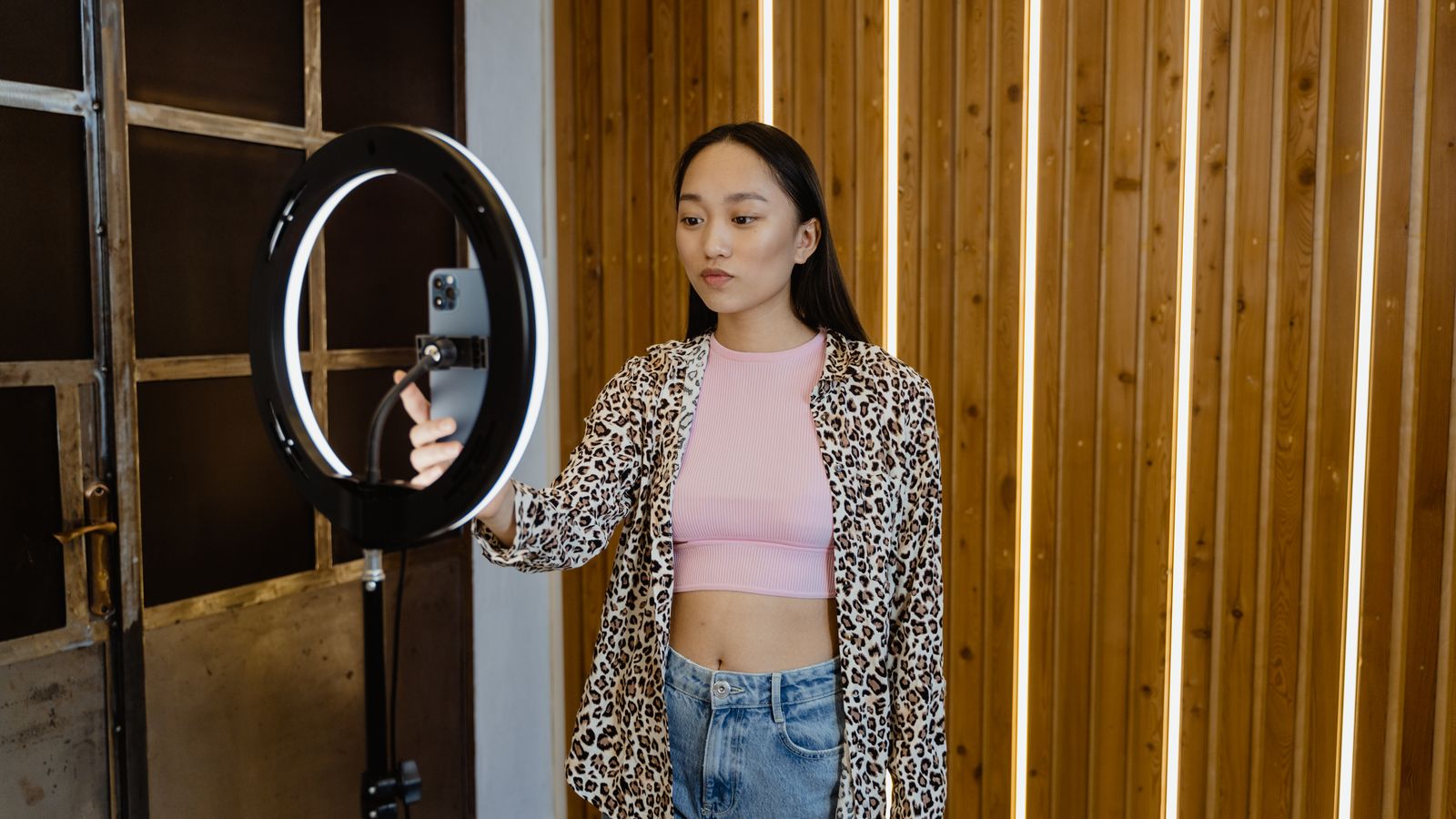
A UGC ad looks like organic creator content: a person holding your product, talking to the camera, sharing an experience. It runs as a paid placement but is designed to feel unscripted.
The most common formats:
- The testimonial: "I've been using this for a month, here's what happened..."
- The unboxing: product arrives, first impressions, close-ups
- The before/after: problem state vs result state
- The review roundup: "Top 3 things I love about..."
- The lifestyle clip: the product in everyday use, no script at all
Why they work: lower perceived commercial intent, higher trust, and better match with the casual, native-feeling content of social feeds.
The Problem With Traditional UGC
Real UGC requires real creators, and that supply chain is expensive and slow:
- Influencer fees range from $50 for micro-creators to thousands for established names
- Briefing, negotiating, shipping product, waiting weeks
- Quality is inconsistent. You pay for what you get.
- Scaling to 10-20 variations for A/B testing is impractical
For brands outside the US and Europe, including most of Central Asia, the local creator market is thinner, fees are still real, and turnaround times are worse. AI removes all of these constraints.
How AI Generates UGC Ads

The modern AI UGC pipeline has three stages:
1. Script generation
Feed the AI your product's key benefits and audience. It writes conversational, creator-voice scripts, not ad copy, but the way a person actually talks about a product they like. Short sentences. Pauses. Specific details ("the strap doesn't dig in" beats "ergonomic design").
2. Visual generation
This is where the magic happens. Using image-to-video, you upload a single product photo and the AI places it in creator-style scenarios: a kitchen counter, a desk, a hand holding it, golden-hour outdoor light. Text-to-video fills the rest: b-roll close-ups, transition shots, and background scenes.
3. Voiceover and assembly
AI voiceover in multiple languages and accents, including Uzbek and Russian, syncs to the footage. Captions are burned in, essential for muted viewing. The result is a complete 15-40 second ad, in the aspect ratios each platform wants.
When AI UGC Works, and When It Doesn't
Honest assessment:
Works well:
- Product-focused ads where the product is the star
- Testing hooks and angles at speed (generate 10, keep 2)
- Brands that need volume across many products or markets
- Localization: the same ad in Uzbek, Russian, and English in an hour
Doesn't replace real creators:
- Authentic long-term ambassador relationships
- Faces that viewers already know and trust
- Highly regulated categories where disclosure rules apply
- Campaigns built around a specific person's personality
The winning strategy in 2026 is hybrid: use AI UGC for testing, volume, and localization; invest in real creators for your hero campaigns and community building.
A Practical Starting Recipe

1. Pick one product and one platform (start with TikTok or Instagram Reels) 2. Write 5 scripts in creator voice, each with a different hook 3. Generate 3 visual versions per script 4. Produce the best 3-5 as finished ads with voiceover and captions 5. Run them as paid placements for a week, keep the winner, iterate
Total cost with AI tools: $20-100. Time: one day. A traditional agency would charge $2,000-5,000 and take three weeks for the same test.
FAQ
Will viewers know AI UGC ads are fake?
The goal is format, not deception. AI UGC matches the casual, native style of social feeds. Many brands openly disclose AI use; what matters is that the content feels genuine and useful. In regulated categories, always follow disclosure rules.
Can AI UGC replace real influencers?
For testing, volume, and localization, yes. For trust, long-term ambassador relationships, and faces people already follow, no. The winning play is hybrid.
What does an AI UGC ad cost?
$20-100 per finished ad including voiceover and captions, versus $1,000-5,000 for a traditional UGC campaign. And you can produce 10 variations to test, not just one.
Building UGC at Scale With KAMOD
KAMOD AI's UGC Studio is built exactly for this: upload your product photo, and the system generates creator-style ads (lifestyle shots, reviews, testimonials) in multiple formats, with voiceover in Uzbek, Russian, or English. Combined with our storyboard-first Director Mode, you are never guessing: you plan the shot, then generate it.
If you are an e-commerce brand, this is the single highest-leverage content play available in 2026. Products that used to sit as static photos on a listing can become a library of native-feeling ads by the end of the week.
The brands that understand the UGC dynamic are compounding an advantage: more content, more tests, more winners, at a fraction of the cost of everyone else. AI just made that unfair advantage available to every brand, not just the ones with creator budgets.