Every autumn a produce exporter in the Fergana valley runs into the same scheduling problem. The cherries are picked in a nine-day window in June. The buyers who need convincing sit in Dubai, Moscow and Shenzhen, and they sign in January. Between those two dates there is nothing to send them except phone photographs taken inside a packing shed and last year's PDF price list. The video that would answer half their questions does not exist, because nobody was on site with a camera when the fruit was on the tree.
That gap is what AI video is actually good at closing, but not in the way most studios sell it. Nobody needs a generative model to invent an orchard. What exporters need is a way to build a credible buyer-facing film from the material that already exists, at a point in the year when the crop cannot be reshot. That is a narrower and more useful promise, and it comes with real constraints.
Where generative video breaks on agricultural subjects
Fruit and vegetables are hostile to image models in ways that furniture and cars are not. The bloom on a plum or a grape is a matte, slightly dusty film that scatters light. Generators render it as gloss, because their training data is dominated by advertising photography where produce is waxed and wet. A buyer who handles fruit for a living reads that instantly as plastic.
The same problem repeats across the category. Soil in a generator's frame is too even, too brown, too clean. A real orchard floor has leaf litter, drip lines, weed patches and a plastic crate on its side. Hands are worse: pickers' hands carry cuts, staining from sap, dirt under the nails, a cheap watch. Anything generated tends to come back smooth and manicured, which reads as a stock photo, not as a working farm.
Scale is the other failure. A forty-hectare block photographed with a drone looks like four hectares, because there is no reference object. Models asked to extend a field either repeat rows in a visible rhythm or lose the trellis line entirely. Buyers who visit estates for a living count things: how many bins per row, how wide the aisle is, whether the cold room door is a roller or a swing.
The working answer is not to generate the product at all. Real plate photography supplies the fruit, the crates, the labels and the hands. Generation is used for what is expensive to shoot and cheap to fake: the camera move across a still, the light raking through leaves at six in the morning, dust in the air behind a tractor, extra rows at the edge of frame, a sky that is not blown out. That split keeps everything checkable and still gives you motion.
The four videos worth commissioning
Most agribusiness clients ask for one long corporate film, and it is usually the wrong first purchase. Four shorter pieces cover the actual jobs to be done.
The buyer qualification film runs sixty to ninety seconds and does the work of a first factory visit. It shows the estate or the collection point, the grading line, the cold store, the loading dock and the office where documents are signed. It ends with capacity in tonnes per week and the certifications held. This is the file a sales manager attaches to the first email to a new importer.
The harvest capture is a vertical twenty-to-thirty-second piece shot or assembled during picking, for trade WhatsApp groups, LinkedIn and the company's own channels. Its job is not persuasion; it is proof of life. Buyers in February want to know that last season actually happened.
The process explainer runs forty-five to sixty seconds and covers grading standards, packing formats, cold chain temperatures and the paperwork flow. It replaces the fifteen-minute phone call that a new buyer's quality manager would otherwise request.
The single-product hero is fifteen seconds, looped at a trade fair stand or dropped into a marketplace listing. One variety, one carton, one price band, no narration.
Planning around a season you cannot reshoot
The structural constraint in this industry is that the only good footage of a crop is produced during a window of one to three weeks, once a year. Everything downstream has to be planned around that.
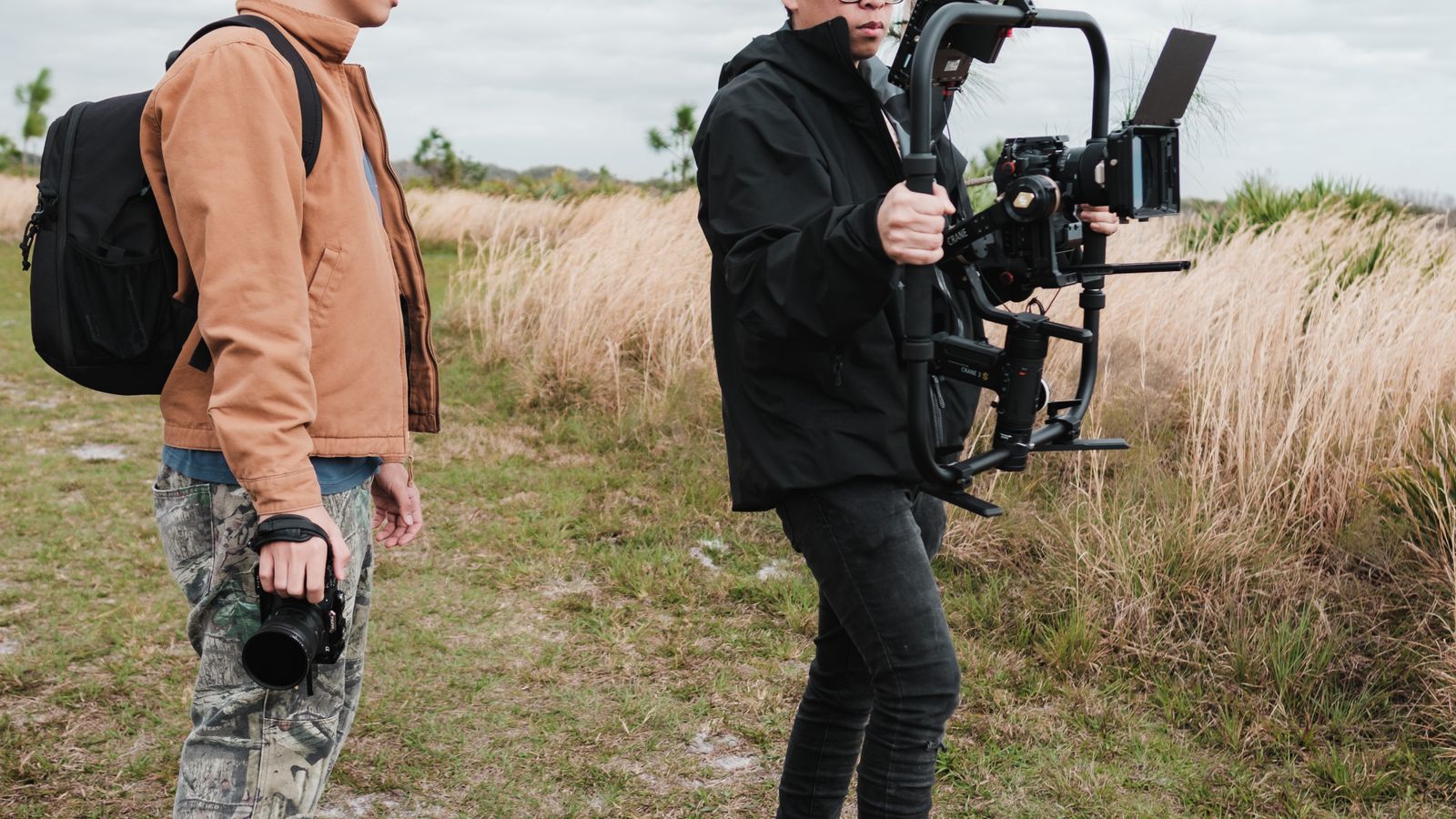
The practical discipline is a plate library. During harvest, someone with a phone and a stabiliser spends two days collecting locked-off wide shots of each block, slow walking passes down a row at chest height, close macro of the fruit at three stages of ripeness, the grading line from both ends, workers' hands at work, the cold room interior with the door open, and the dock at loading. Everything at the highest resolution the device allows, nothing staged, no filters. Forty to sixty stills and ten short clips per facility is enough for a year of output.
That library then gets used in the off-season, when studio capacity is free and there is time for two proper review rounds. A ninety-second film built this way typically takes three weeks from brief to delivery, of which the client spends perhaps two hours reviewing. If the library does not exist, the honest options are to wait for the next window or to build the film from documentation only, which means a much more restrained piece focused on process diagrams, packing specifications and site stills rather than cinematic field footage.
What foreign buyers actually verify
A buyer importing forty tonnes of grapes is not assessing beauty. They are assessing reliability, and they check specific things: weekly capacity, whether the cold chain holds at the stated temperature, what grading standard is applied and by whom, what the packing format is in kilos and layers, which certifications are current and until when, and whether the company has shipped to a comparable market before.
A good film answers four of those in the first thirty seconds and the rest by the end. The single most useful device is a dated on-screen caption, because experienced buyers cross-check dates against the harvest calendar for the region. A film that claims a June harvest but carries an August date is worse than no film.
Show the thermometer. Show the pallet wrapping. Show the loading manifest being signed. These are unglamorous frames and they are the ones that shorten an email thread from eleven messages to three.
Claim discipline and what must stay generated-free
Certification marks, weights printed on cartons, phytosanitary stamps, customs seals and client packaging must come from real photographs. They are legal representations, and buyers and their auditors verify them against registries. A regenerated GlobalG.A.P. logo that is two millimetres off, or a carton weight that the model invented, is a credibility problem that a single phone photo would have avoided.
The same applies to facilities. Never composite a cold store the client does not own. Never generate a crew that does not match the workforce, particularly where a buyer's audit covers labour standards. And keep health and yield claims out of the script entirely; in this category they are compliance statements, not marketing.
A realistic schedule and cost shape
For a ninety-second buyer film assembled from an existing plate library, expect three weeks: one week for the shot list and script, one for generation and assembly, one for two review rounds and delivery in three aspect ratios. The client's inputs are the photo library, a specification sheet, certification scans and one thirty-minute call.
Compared with a physical shoot that requires travel to two sites, a crew, a permit and a day of drone work, the AI-assisted route usually lands at a fraction of the cost for the same deliverable count. The saving disappears if the library is thin, because then the work shifts from assembly into reconstruction, which is slow and always looks like reconstruction.
If you are heading into a January contract round and the harvest is already over, send what you have. Phone photographs, the packing list, the certification scans, and a note on what the buyer keeps asking. We will tell you in one call what can be built from that material, what has to be shot next season, and which of the four films is worth making first. Write to KAMOD AI in Tashkent at any point in the year; the studio works with exporters and food producers worldwide.