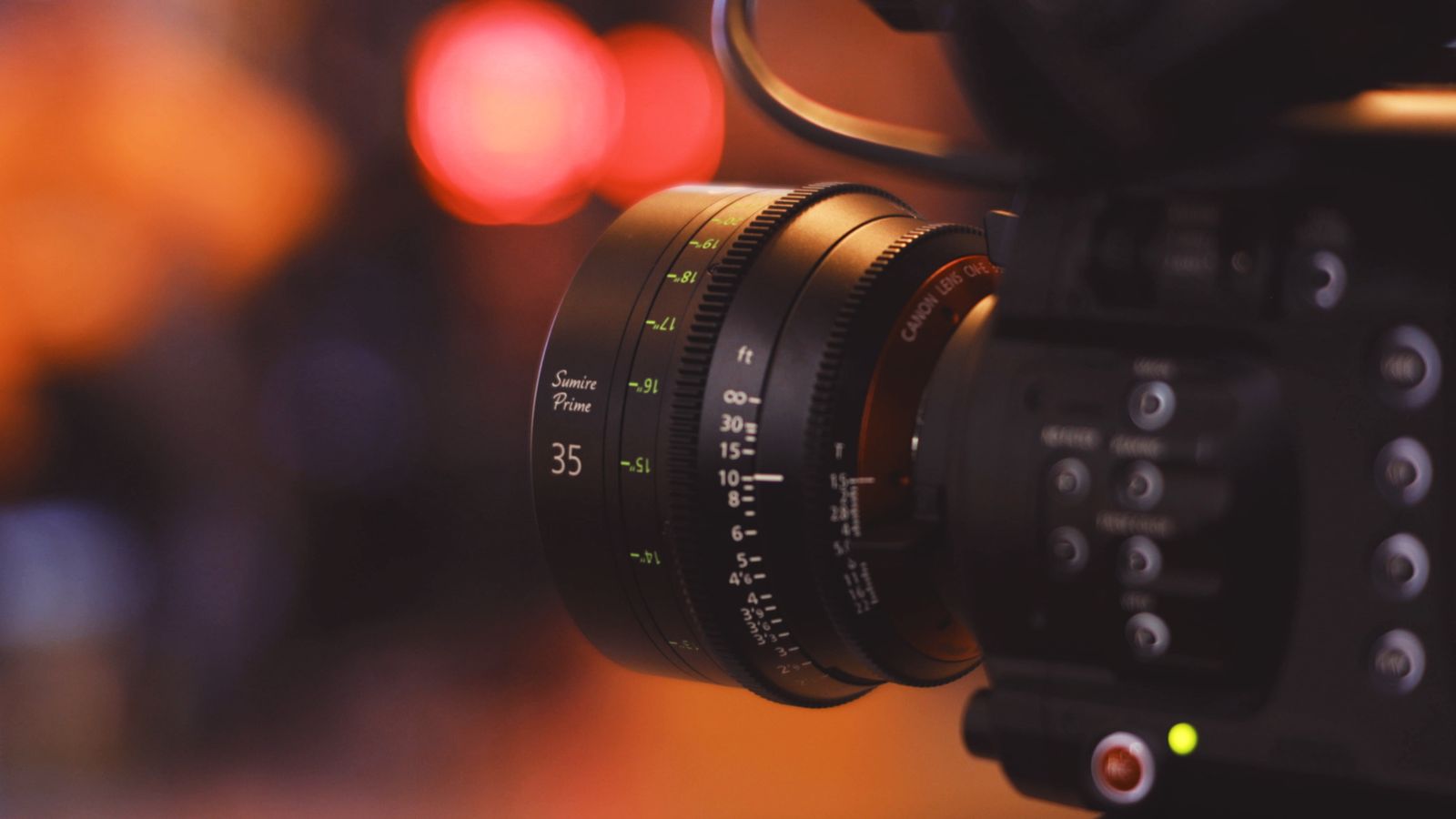
"Make a cool video of my product" produces a random video. "A slow dolly push-in on a matte-black perfume bottle on wet slate, golden-hour rim light, dust particles in the air, shot on 35mm, cinematic color grade" produces something you can actually use.
The difference is not talent. It is prompt structure. AI video models are literal-minded: they render exactly what you describe, and nothing you don't. Learn the anatomy of a good prompt and your output quality jumps immediately, in any language, including Uzbek and Russian.
The 6 Elements of a Working Prompt
Every strong video prompt contains these ingredients:
| Element | What it controls | Example | |---------|-----------------|---------| | Subject | What is in the frame | "a matte-black perfume bottle" | | Action | What happens | "water droplets rolling down the glass" | | Camera | Lens, angle, movement | "slow dolly push-in, 50mm, eye level" | | Lighting | Mood and visibility | "golden-hour rim light, soft shadows" | | Environment | Where it happens | "on wet slate, steam rising, dark background" | | Quality | Finish and style | "shot on 35mm, cinematic color grade, 4K" |
A prompt that covers all six reliably produces usable footage. A prompt that covers two produces a lottery ticket.
Bad Prompt vs Good Prompt
Bad: "video of a car driving"
Good: "A black SUV driving through the Chimgan mountains at dawn, low camera angle tracking alongside the vehicle, dust kicking up behind the wheels, warm sunlight raking across the road, shot on anamorphic lens, cinematic, film grain"
Same idea. One is forgettable, the other is a commercial.
Bad: "woman drinking coffee"
Good: "Close-up of a young woman in a cozy Tashkent cafe lifting a ceramic cup of coffee to her lips, steam curling in window light, shallow depth of field, bokeh background, warm color palette, 85mm lens, cinematic"
Notice what the good prompts share: they specify the camera, the light, and the mood, not just the subject.
Camera Movement Glossary
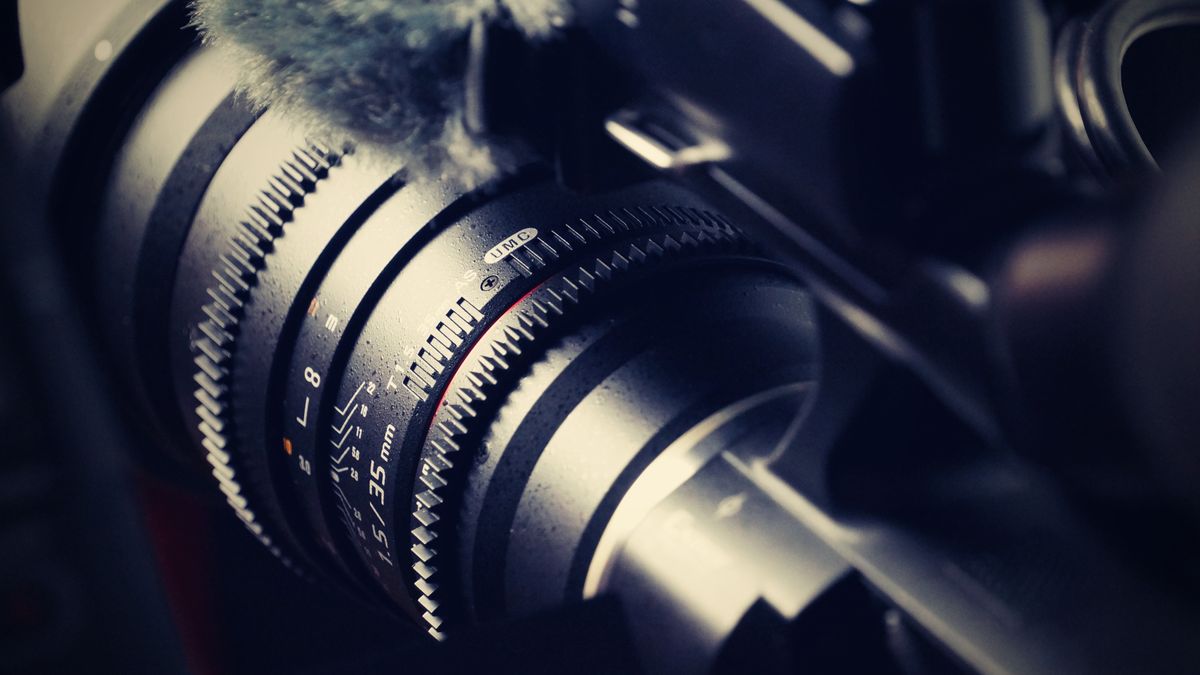
Movement is the single most undervalued prompt element. These terms reliably change the feel of a shot:
- Dolly in / dolly out: the camera physically moves closer or away. Slow dolly-in builds tension or importance
- Push-in: a subtle forward movement, the most common "premium" feel
- Tracking shot: camera follows the subject sideways; great for products in motion
- Crane shot / aerial: rising or descending camera, epic scale
- POV: point of view, immersive, great for UGC-style content
- Handheld: slight shake, documentary authenticity
- Static tripod: stable, product-hero shots
- Pan / tilt: camera rotates on a fixed point; use sparingly, it can feel amateur
Pair a movement with a speed word: "slow," "gentle," "fast," "snappy." Slow is almost always more cinematic.
Lighting Words That Matter
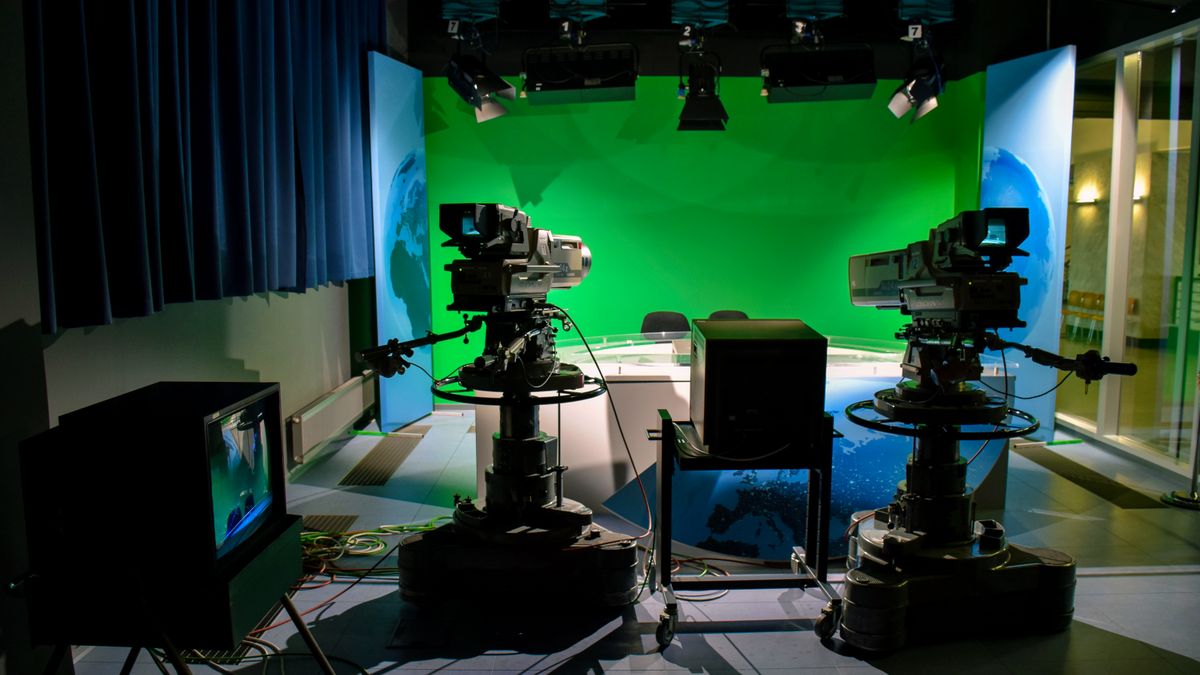
- Golden hour: warm, low sun; the most flattering light for people and products
- Rim light / backlight: light from behind, separates subject from background
- Softbox / soft light: diffused, flattering, commercial
- Neon / practical lights: colorful, urban, night mood
- Low-key: dark with strong highlights; drama, luxury
- High-key: bright, clean, e-commerce
Film References Work
Mentioning an established look transfers instantly: "Blade Runner aesthetic," "Wes Anderson symmetry," "Terrence Malick nature light," "Apple product commercial style." Models have seen these thousands of times. One reference can do the work of five adjectives.
Prompting in Uzbek and Russian
A common myth is that AI video prompts only work in English. Modern models understand prompts in multiple languages, and KAMOD AI was built trilingual from day one: you can direct your videos in Uzbek, Russian, or English and the models follow the direction. The prompt structure is identical; only the words change.
The practical advantage: you can brief in the language you think in, and keep the camera and lighting terms in whatever works best for you. The models don't care. The structure does.
The Prompt Cheat Sheet
Copy this template and fill it in:
[Subject], [action], [camera movement + lens], [lighting], [environment + atmosphere], [style reference], cinematic, [resolution]
Example filled in:
A plov being prepared in a traditional Uzbek kitchen, chef's hands tossing rice, overhead crane shot starting high and lowering, warm tungsten kitchen light, steam and smoke, documentary style, cinematic, 4K
FAQ
Do AI video prompts work in Uzbek and Russian?
Yes. Modern models understand multiple languages, and KAMOD AI supports EN/RU/UZ natively. The structure matters more than the language: subject, action, camera, lighting, environment, quality.
Why do my videos look random?
Most likely the prompt only covers the subject. Add camera movement, lighting, and mood. A prompt covering all six elements reliably produces usable footage.
Should I mention film references?
Yes, one established reference often does the work of five adjectives, because models have seen these styles thousands of times.
Iterate Like a Director
Prompts are a starting point, not a contract. Generate, look at what the model understood, then edit the prompt like you would a script: change one element at a time. Was the lighting wrong? Rewrite only the lighting. Was the movement too fast? Slow it down. This targeted iteration is how you go from "decent" to "how did they make that?"
If you want a guided version of this process, KAMOD AI's Director Mode structures the whole thing for you: describe your scene, get a storyboard with camera directions, refine, and only then generate. It is prompt engineering with a film director's interface. [Try it free with 200 tokens](https://kamod.io).
The models are getting better every quarter. But the people who get the most out of them are not the ones with better tools. They are the ones with better structure. Prompts are how you direct. Learn them, and every generation becomes deliberate.