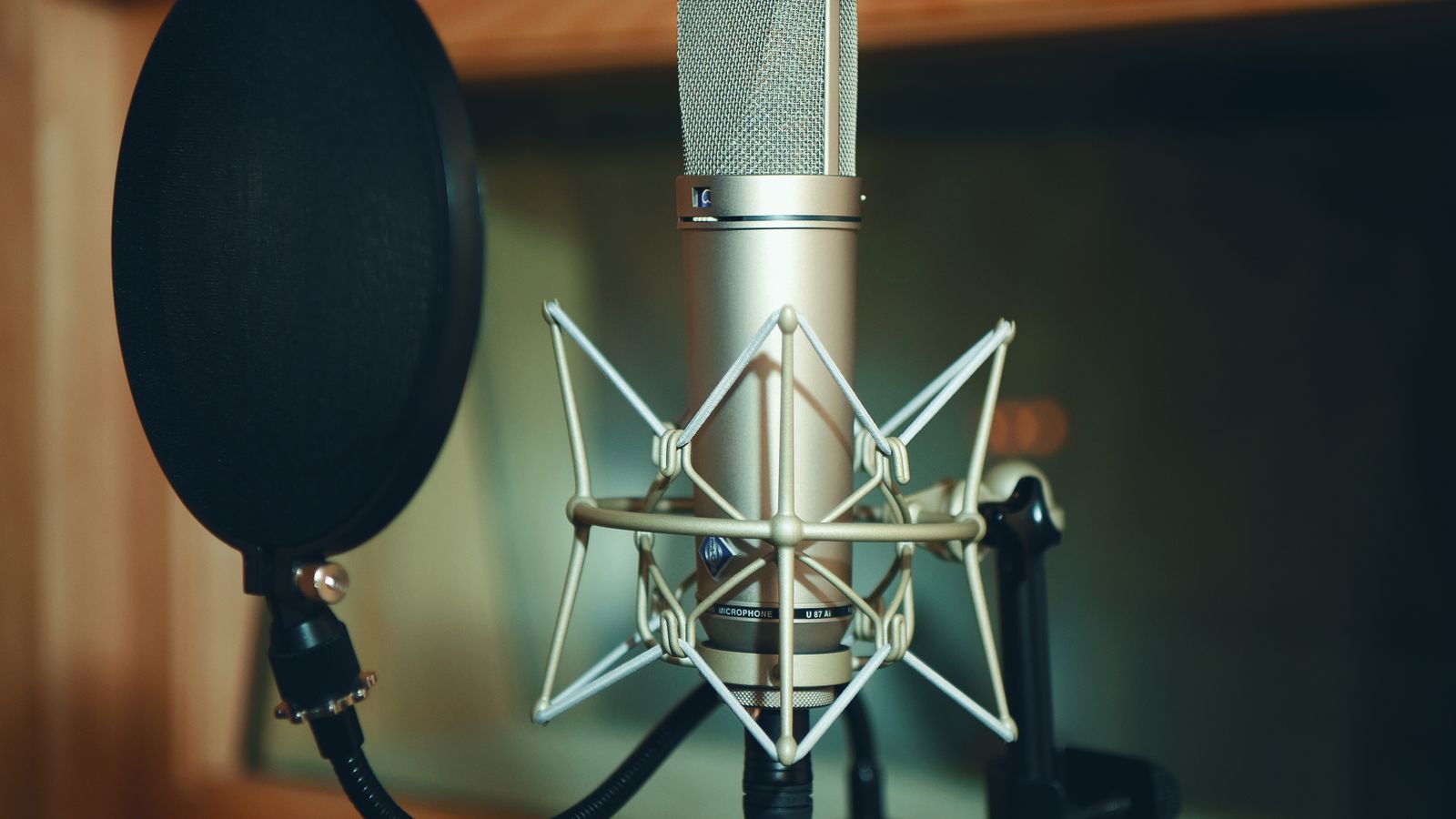
The sound is half the film. A cinematic visual with a flat, lifeless voiceover feels like a video call; the same visual with a warm, natural voice feels like a commercial. In 2026, that voice no longer requires a studio, a microphone or an actor.
AI voiceover has crossed the quality threshold, including for Uzbek, Russian and English. Here is how to produce a complete audio layer inside KAMOD.
What AI Voiceover Can Do Now
- Natural speech in Uzbek (Latin), Russian and English, plus 100+ other languages and regional variants
- Multiple voice characters: warm, energetic, calm, authoritative
- Emotion and pacing control: from whispery ASMR-style reads to energetic ad delivery
- Lip-synced dubbing: Video Translate preserves the original voice and natural lip movement when localizing
The KAMOD Audio Studio: Three Tabs, One Soundtrack
KAMOD's Audio section organizes the whole audio layer into three tools:
Music
Describe genre, mood, tempo and video duration, like "warm acoustic, nostalgic, 90 BPM, 30 seconds," and KAMOD generates a track matched to your clip. Licensing, searching, and copyright claims are handled for you.
Voice Over
Paste your script, choose the language (Uzbek, Russian, English), pick a voice character and listen to a sample before committing. Regenerate until the tone fits. Each attempt costs a few tokens.
Audio SFX
Upload your video and describe the atmosphere: footsteps, street noise, ice cracking, a bottle opening. KAMOD generates the sound effects layer to match the action on screen.
Voiceover That Sounds Native
Three rules separate amateur AI voiceover from professional:
1. Write for the voice, not the page. Short sentences. Natural rhythm. AI voices (like human ones) perform better with conversational scripts than with written paragraphs. 2. Match the voice to the brand. A premium product wants a calm, warm voice; a youth brand wants energy. Test 2-3 voices on the same script and listen with the visuals before choosing. 3. Layer the sound. Voice alone feels empty. Voice + subtle music + one or two tasteful SFX = the difference between a recording and a production.
Localization: One Master, Every Market
The real superpower of AI audio is localization. Instead of re-recording your ad per language:
1. Finish your master video with voiceover in your primary language 2. Run Video Translate. KAMOD measures the duration, shows the exact price, then translates into the language you choose. 3. The voice character and lip sync are preserved. The dubbed version looks native. 4. Download the master and every localized version from the same project
A Uzbek brand selling to Russian-speaking customers, or a Russian brand expanding into Central Asia, goes multilingual in hours, not weeks.
Building a Complete Soundtrack: Step by Step
1. Write the script (conversational, timed to your cut) 2. Generate the voiceover in Voice Over: listen, pick, refine 3. Generate music in Music: match genre and tempo to the edit 4. Add SFX in Audio SFX: atmosphere that sells the scene 5. Download tracks with clear names (voice, music, sfx) 6. Assemble in Montage: align voice, music and effects under the frames 7. Localize the final video for every market you serve
What It Costs
| Audio task | Typical cost | |-----------|-------------| | Voiceover generation (per take) | 5-15 tokens | | Music track | 10-30 tokens | | SFX layer | 5-15 tokens | | Video translate (new language) | ~56 tokens |
A complete soundtrack for one ad (voice, music, SFX) typically lands under $1. A studio voice session costs $100-500 and a week of scheduling.
The Sound of Your Brand
Your customers' ears are as important as their eyes. A video that looks premium and sounds cheap is half-finished, and in 2026 there is no excuse for it. The studio is in the browser, the languages are yours, and the cost is cents.
[Open KAMOD's Audio Studio with 200 free tokens](https://kamod.io) and give your next video a voice.
FAQ
Is AI voiceover good enough for ads in Uzbek and Russian?
Yes. Modern AI voices produce natural speech in Uzbek (Latin), Russian and English, with regional variants. For ads, explainer videos and social content, AI voiceover is indistinguishable from studio recording for most listeners.
Can AI voiceover match a video's lip movement?
KAMOD's Video Translate localizes finished video into 100+ languages while preserving the original voice character and natural lip sync, so dubbed versions look native, not overdubbed.
How do I combine voice, music and sound effects?
KAMOD's Audio Studio has three tabs: Music, Voice Over and Audio SFX. Generate each track, download with clear names, then align them under your frames in Montage. The whole audio layer lives inside one project.